Pool Pump Replacement Parts
New Motors, Impellers, Shaft Seals, Lids, Baskets, O-Rings & Diffusers for Pool Pumps
265 products
265 products

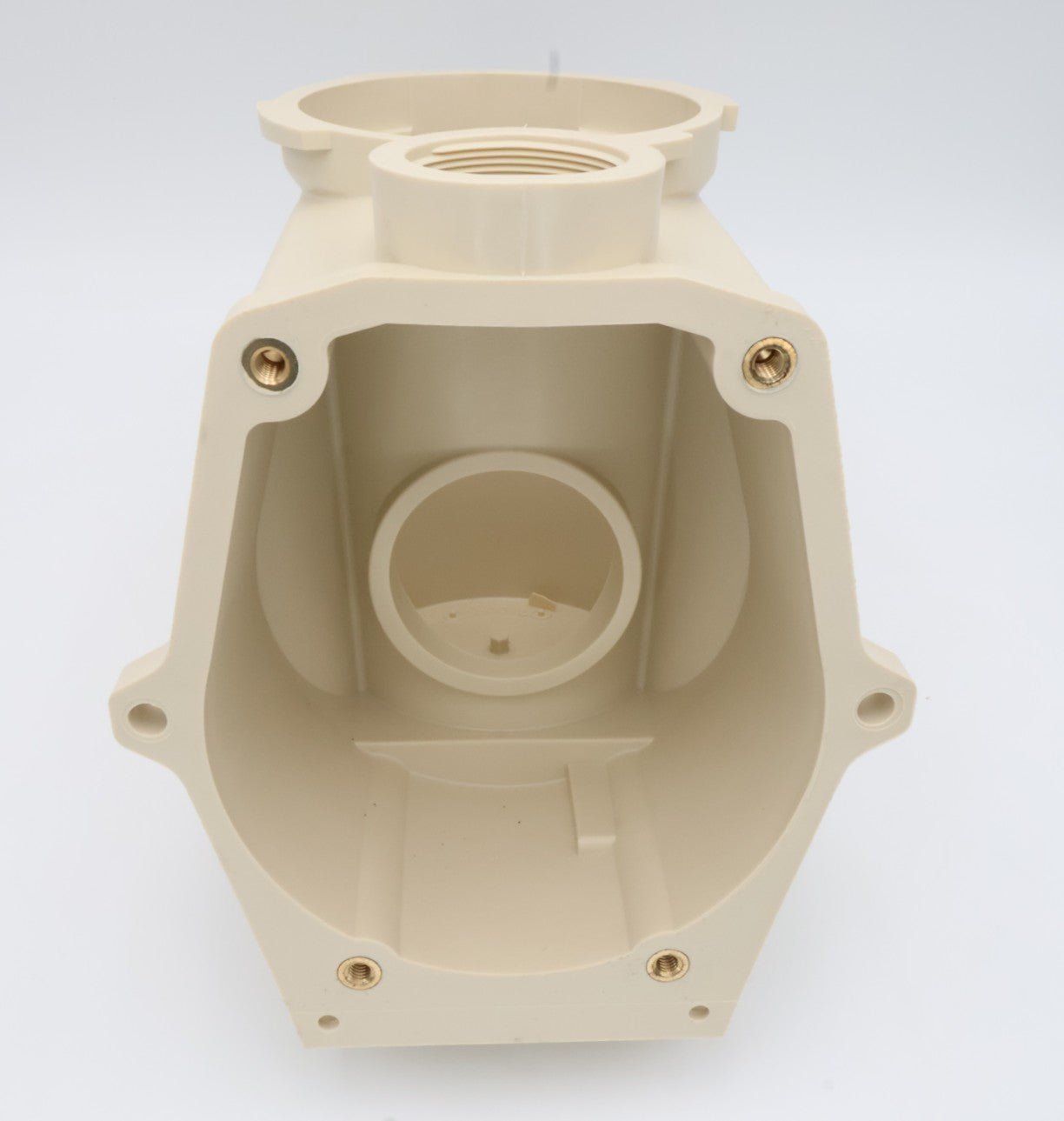
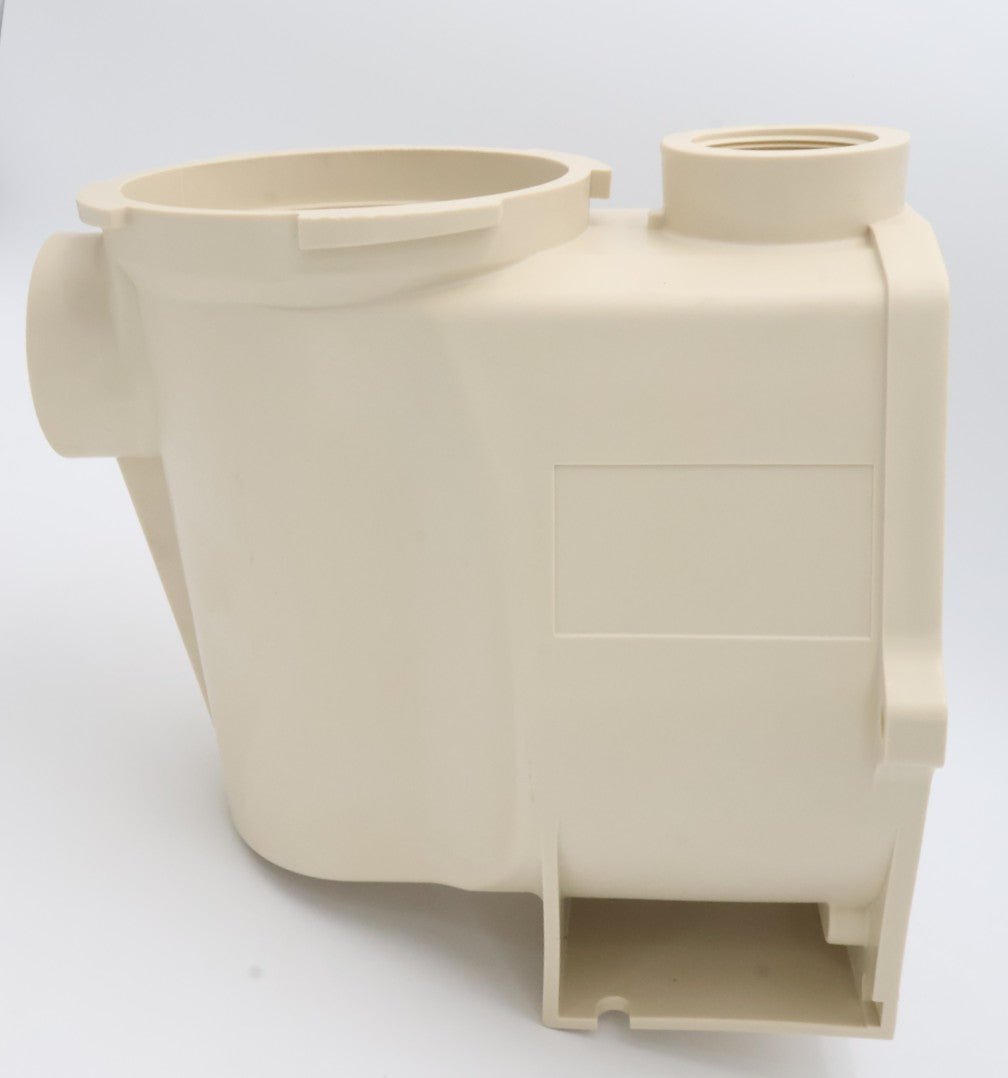
The pump is the heart of your pool's circulation system, pushing water through the filter, heater, and sanitizer. When an internal part wears out, flow drops and problems follow quickly — but most issues come down to a single component you can replace rather than a whole new pump. This collection covers the impellers, seals, lids, baskets, O-rings, diffusers, and rebuild kits that keep pumps from Pentair, Hayward, and Waterway running strong.
Most pump repairs involve one of a handful of components:
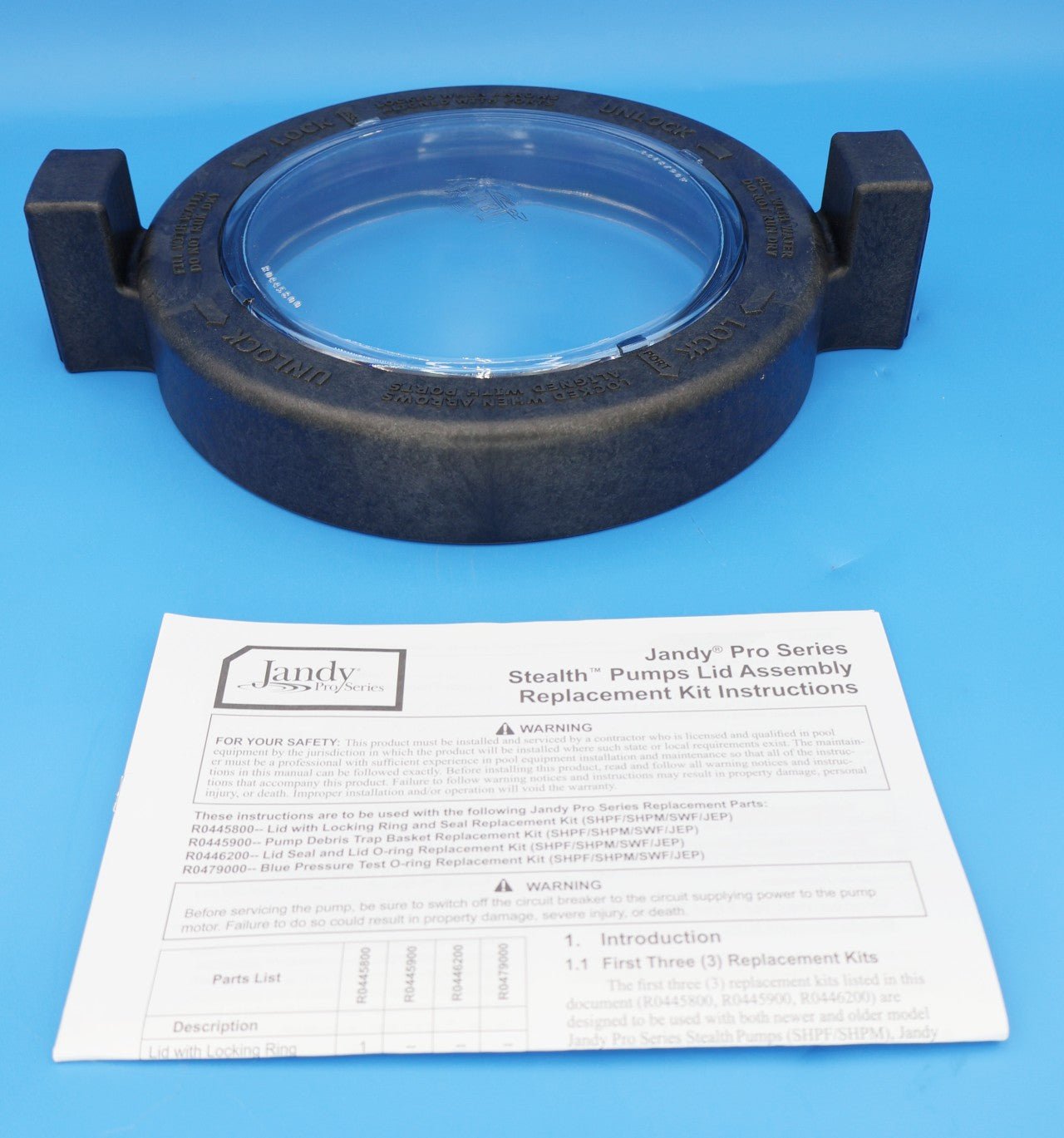
The parts you handle most often. The clear strainer lid and its O-ring seal the pump so it can hold prime, and the strainer basket catches debris before it reaches the impeller. A cracked lid or a dried-out lid O-ring is one of the most common causes of air bubbles and lost prime.
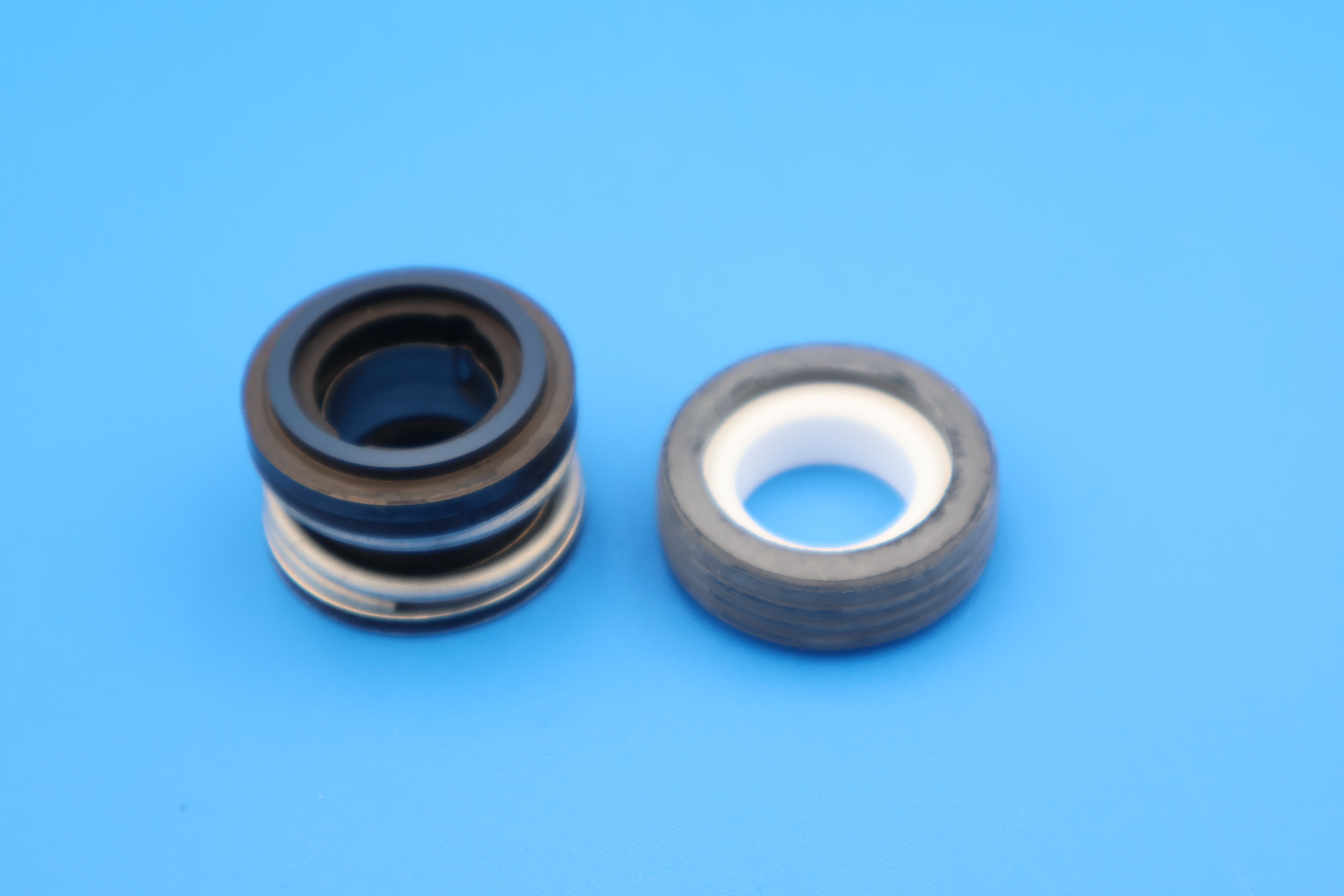
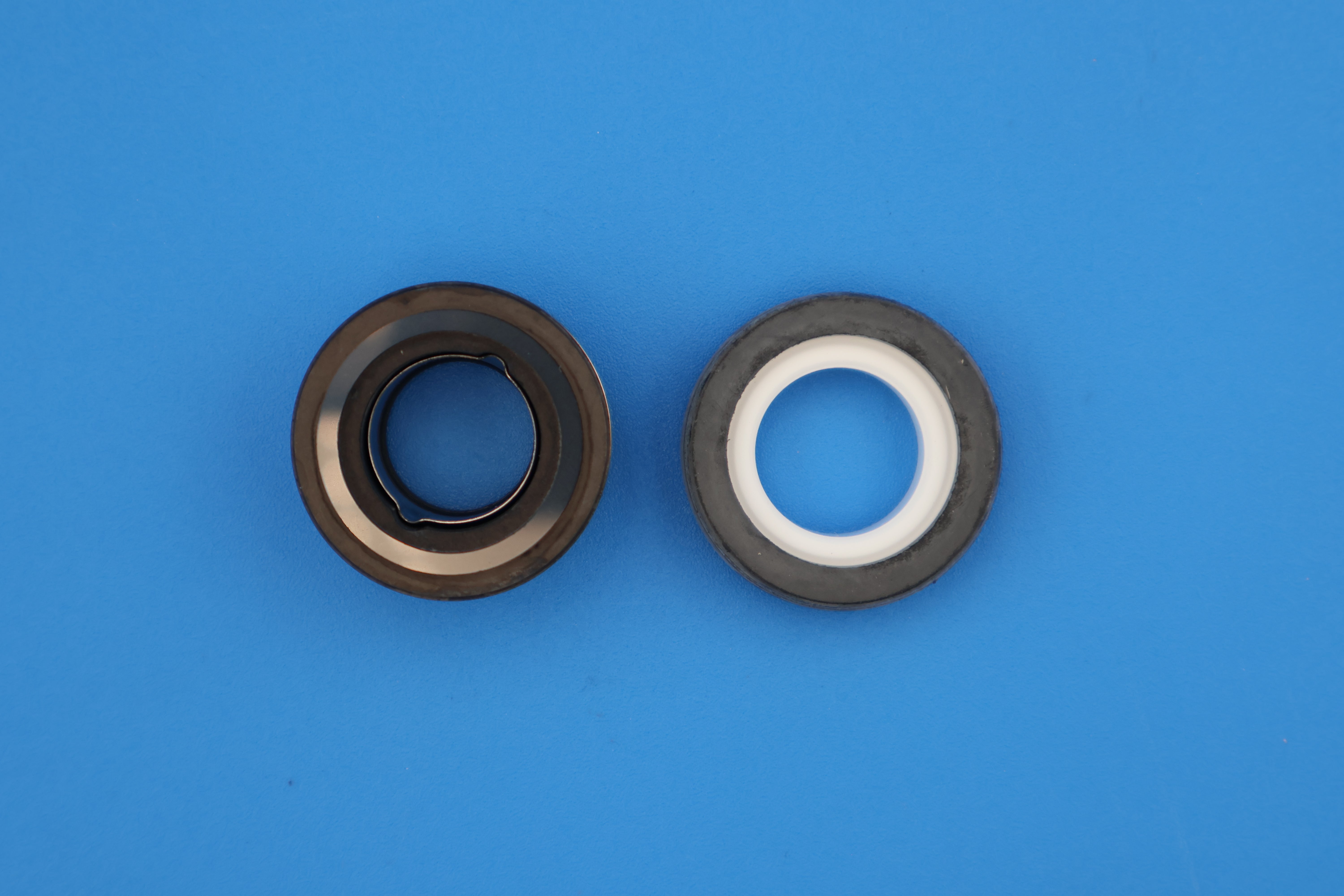
The mechanical seal that keeps water from reaching the motor. Shaft seals are quick to fail if a pump runs dry or takes a water-hammer hit from a valve slamming shut, and a leak between the wet end and the motor usually points right to this part.
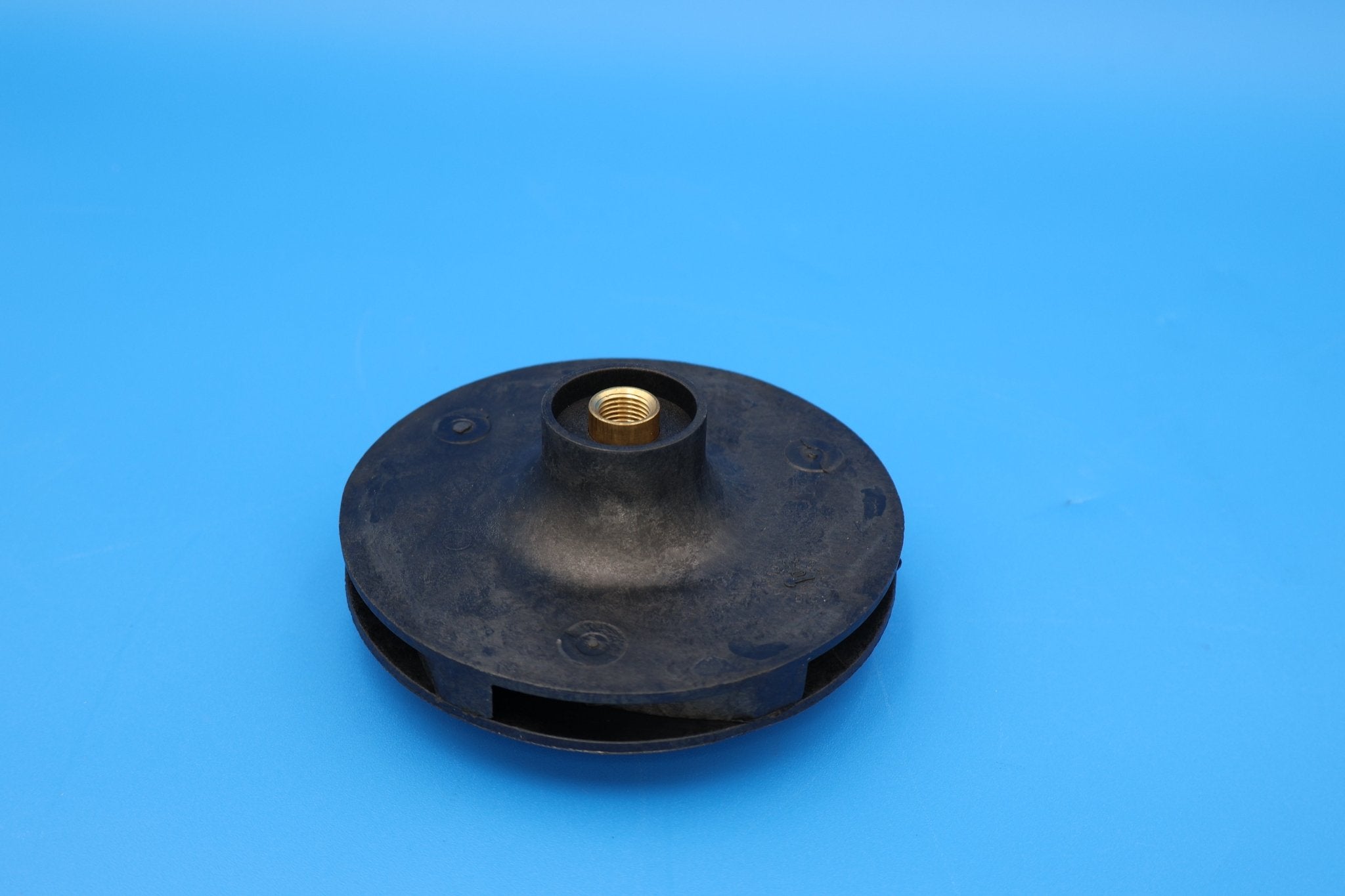
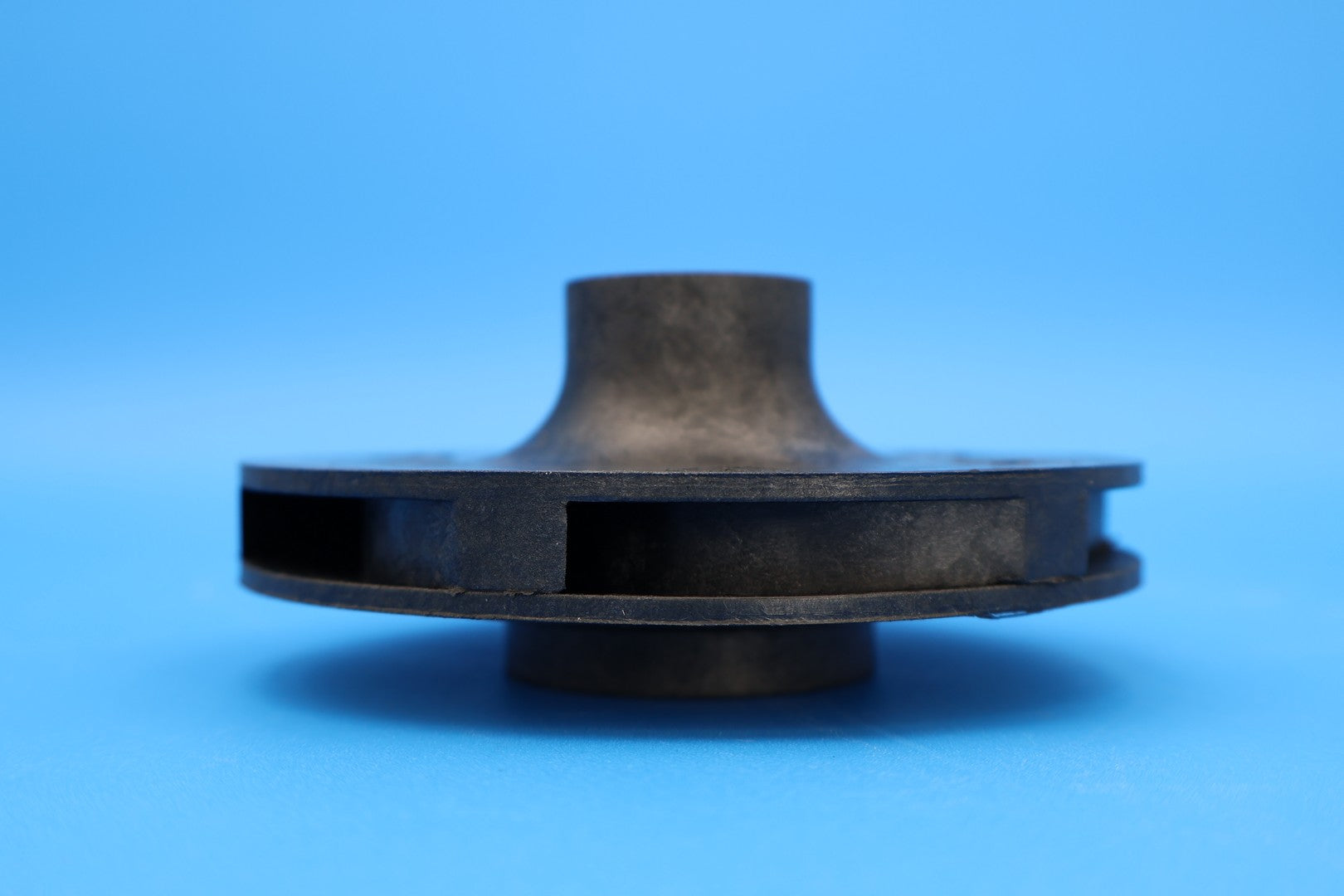
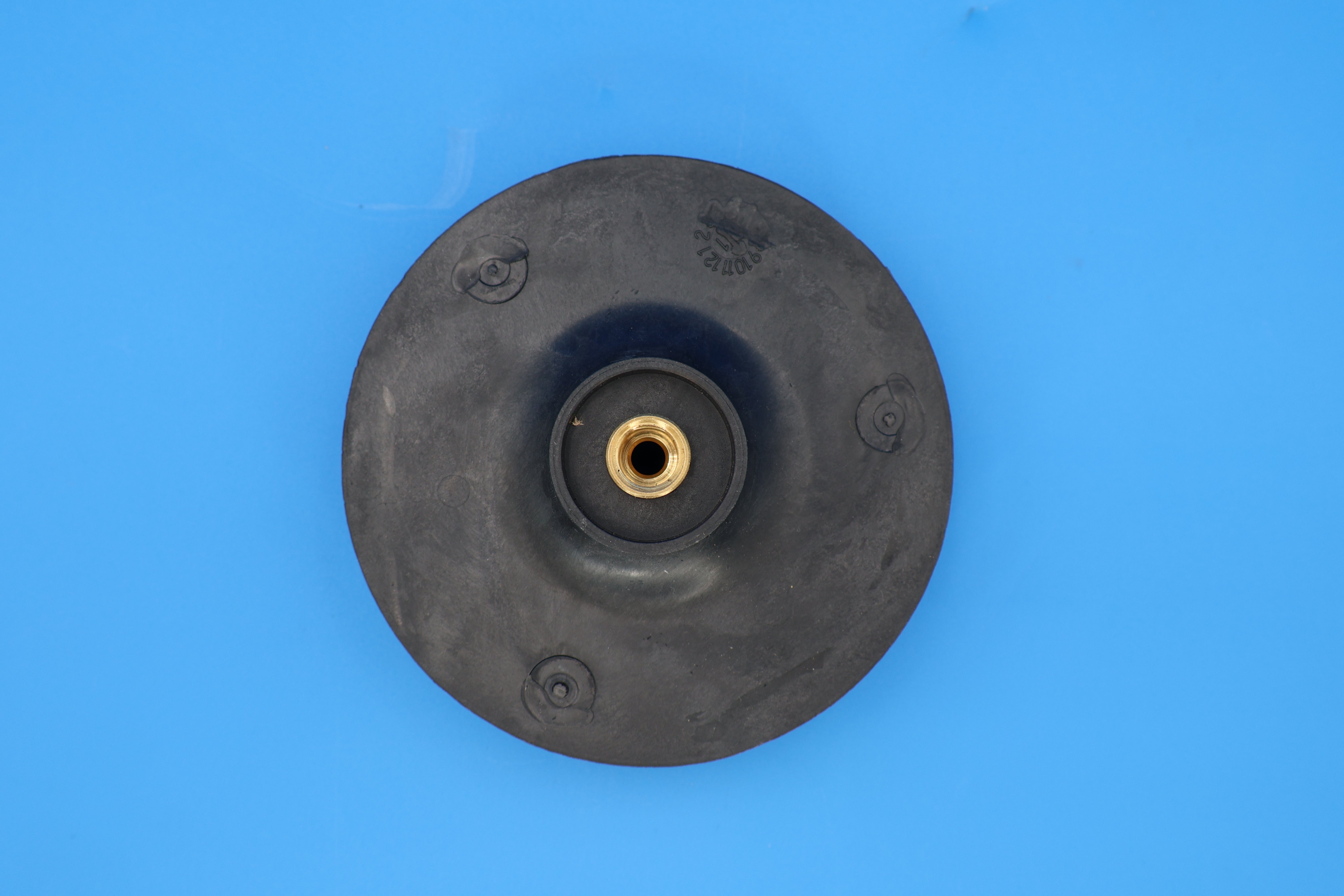
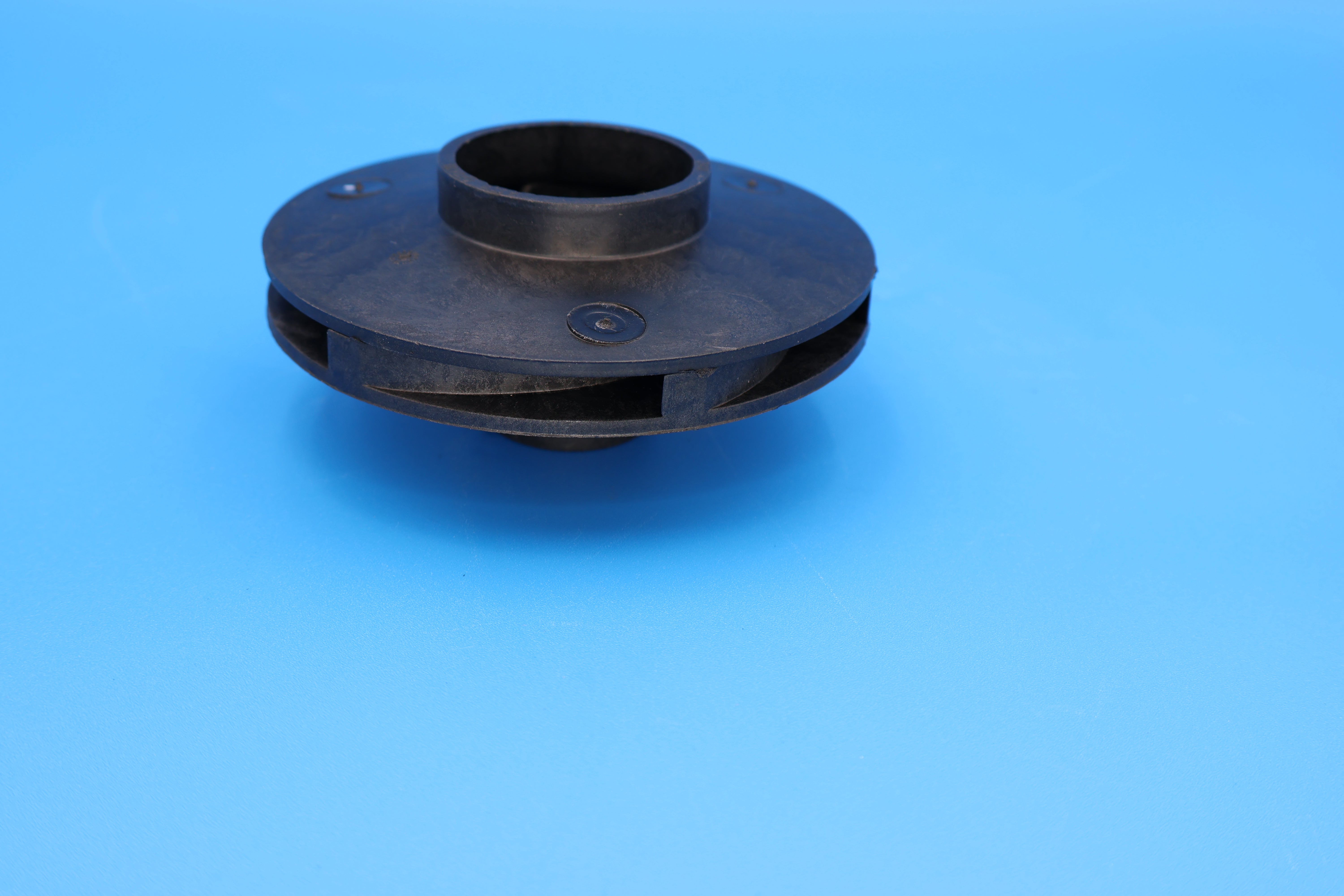
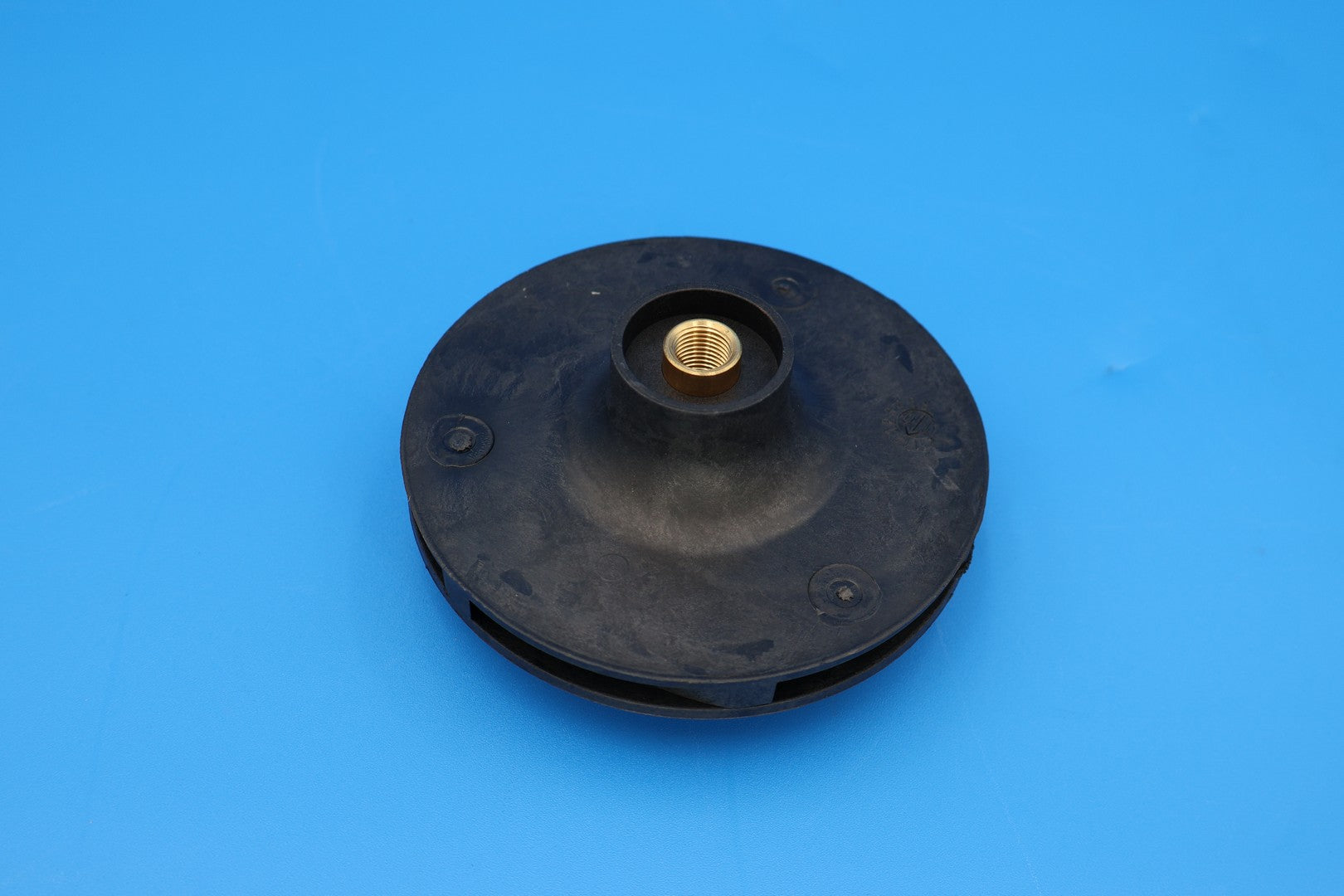
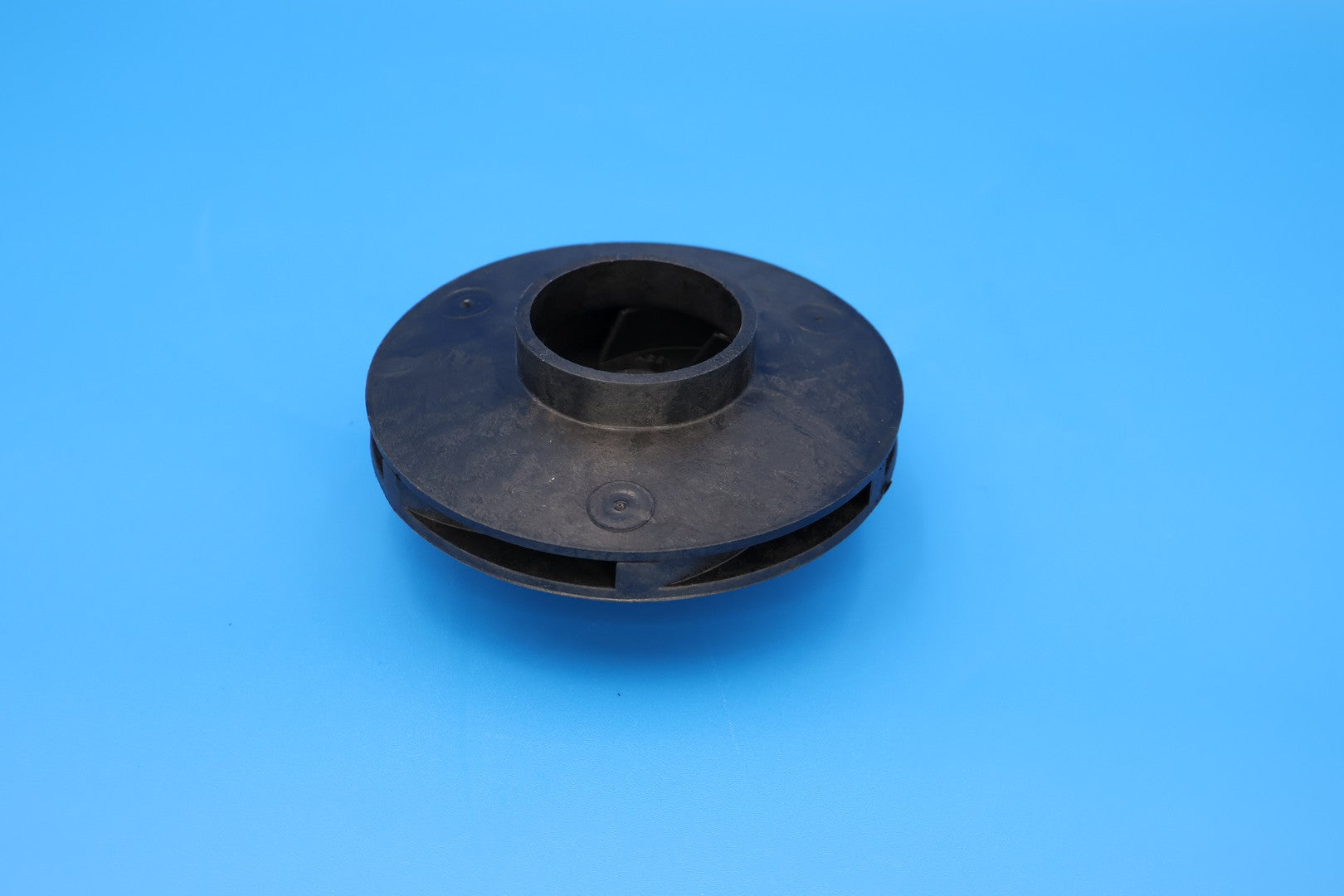
The components that actually move and direct the water. A worn or debris-clogged impeller causes weak flow, while the diffuser and its gasket channel water efficiently out of the pump. Replacing both restores the pressure your filter and heater need to work properly.
The supporting cast: seal plate O-rings, housing gaskets, mounting bolts, drain plugs, and unions. These small parts are what stop nuisance leaks around the pump body.
Bundled sets of seals, gaskets, and O-rings that let you refresh the entire wet end at once. These kits are the smart choice for seasonal maintenance or whenever you have the pump apart.
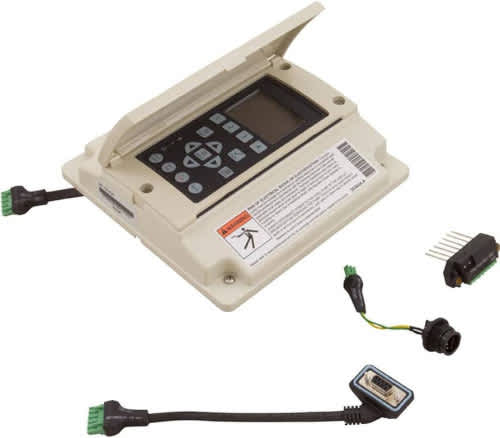
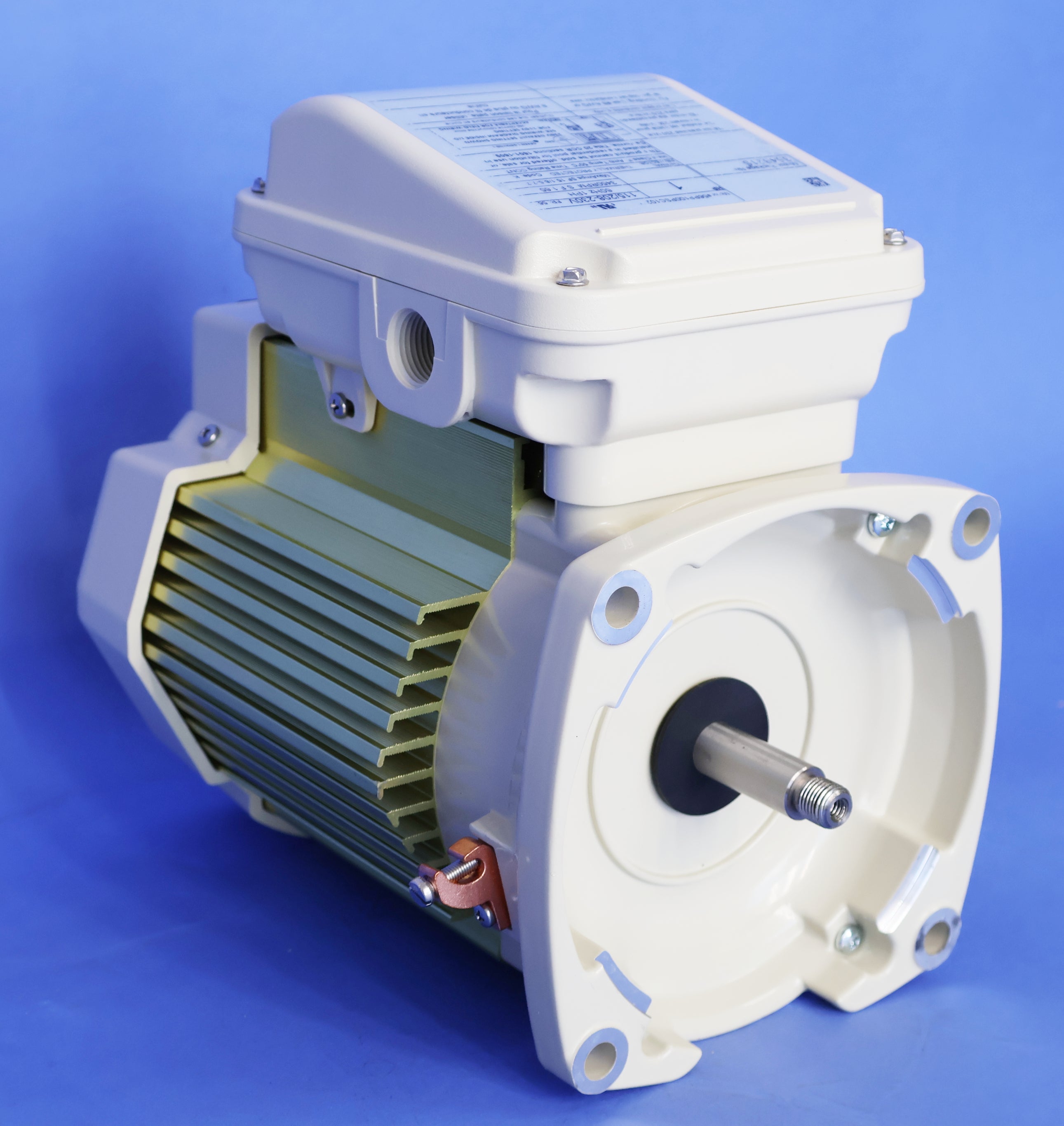
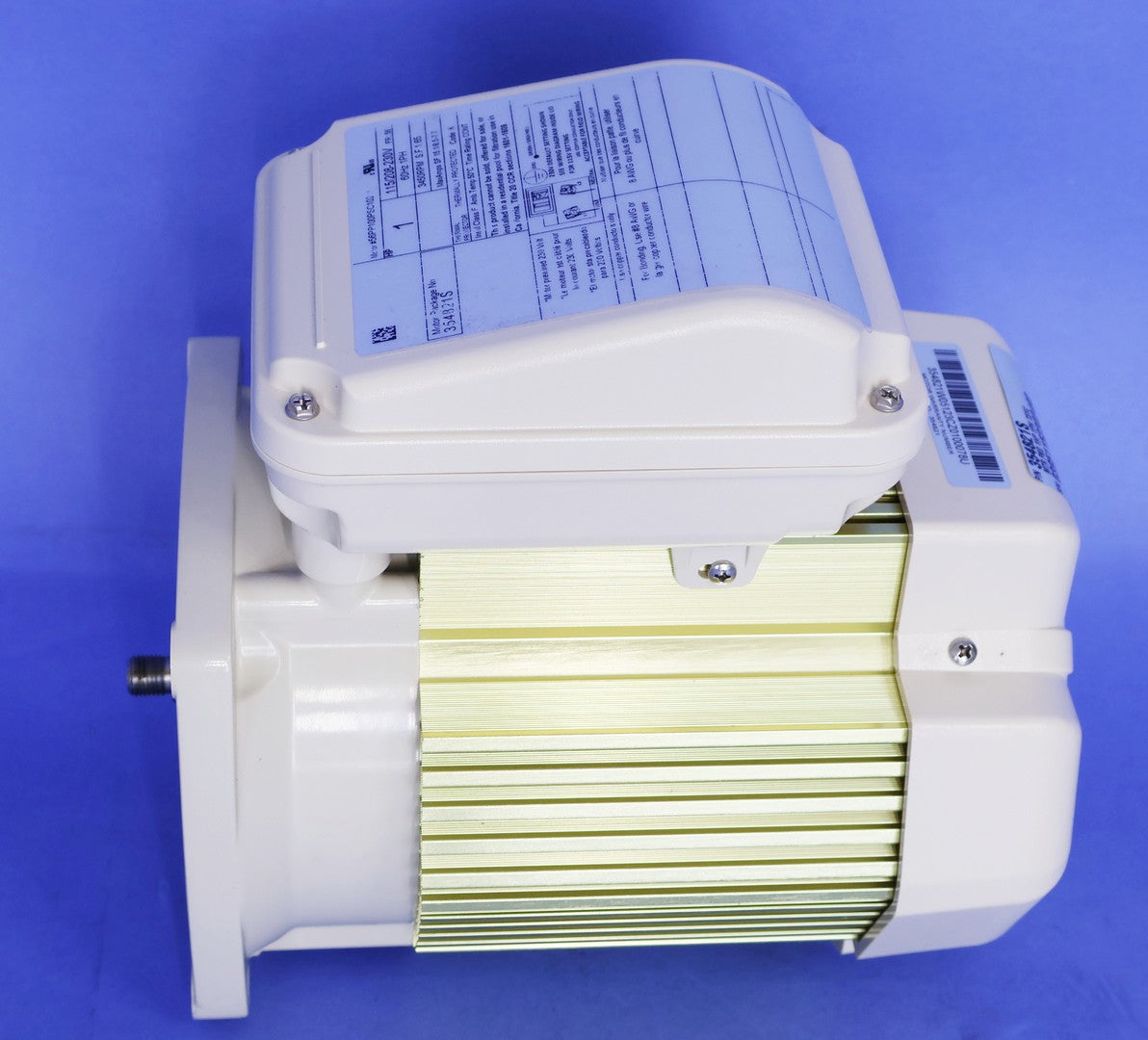
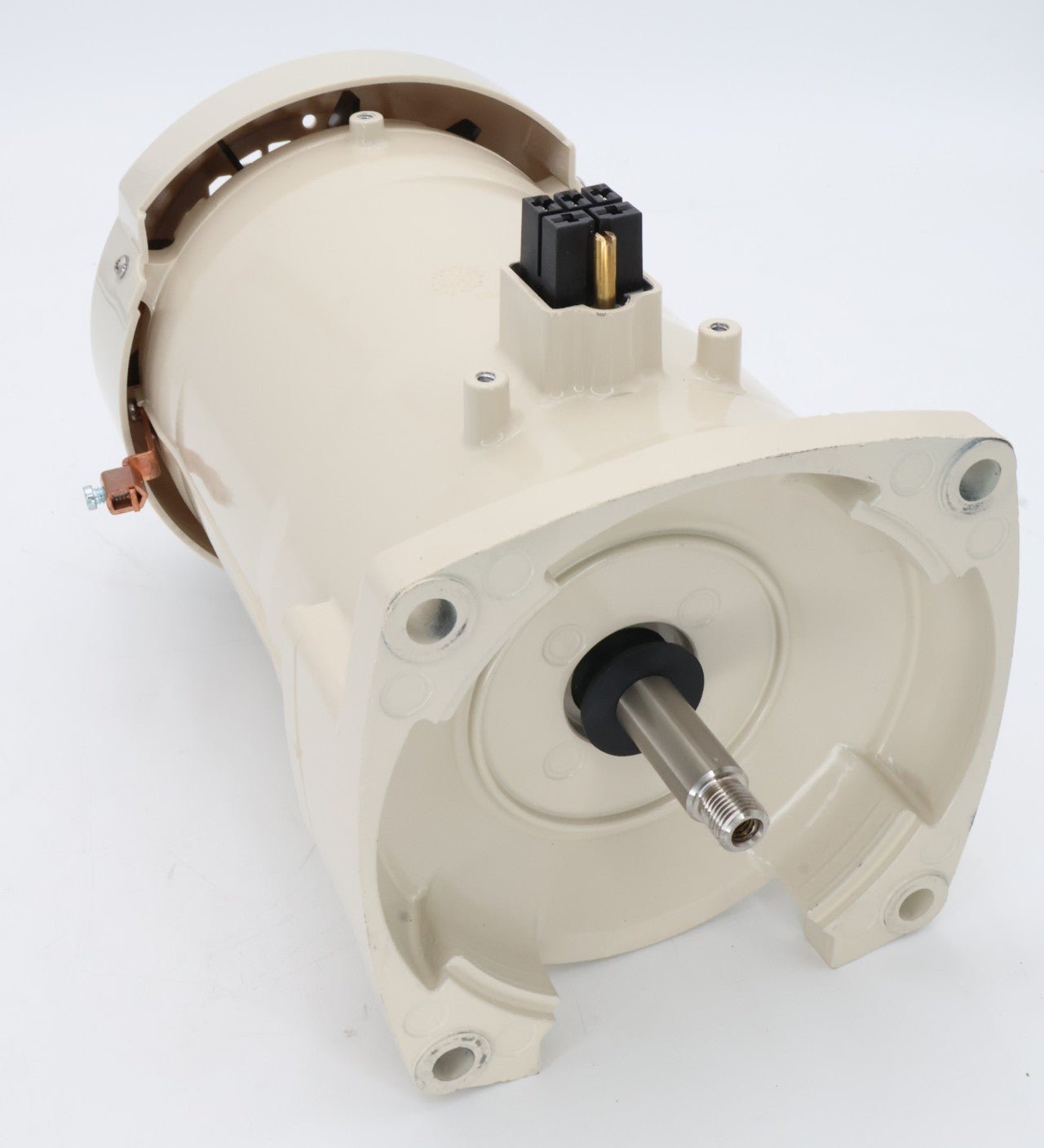
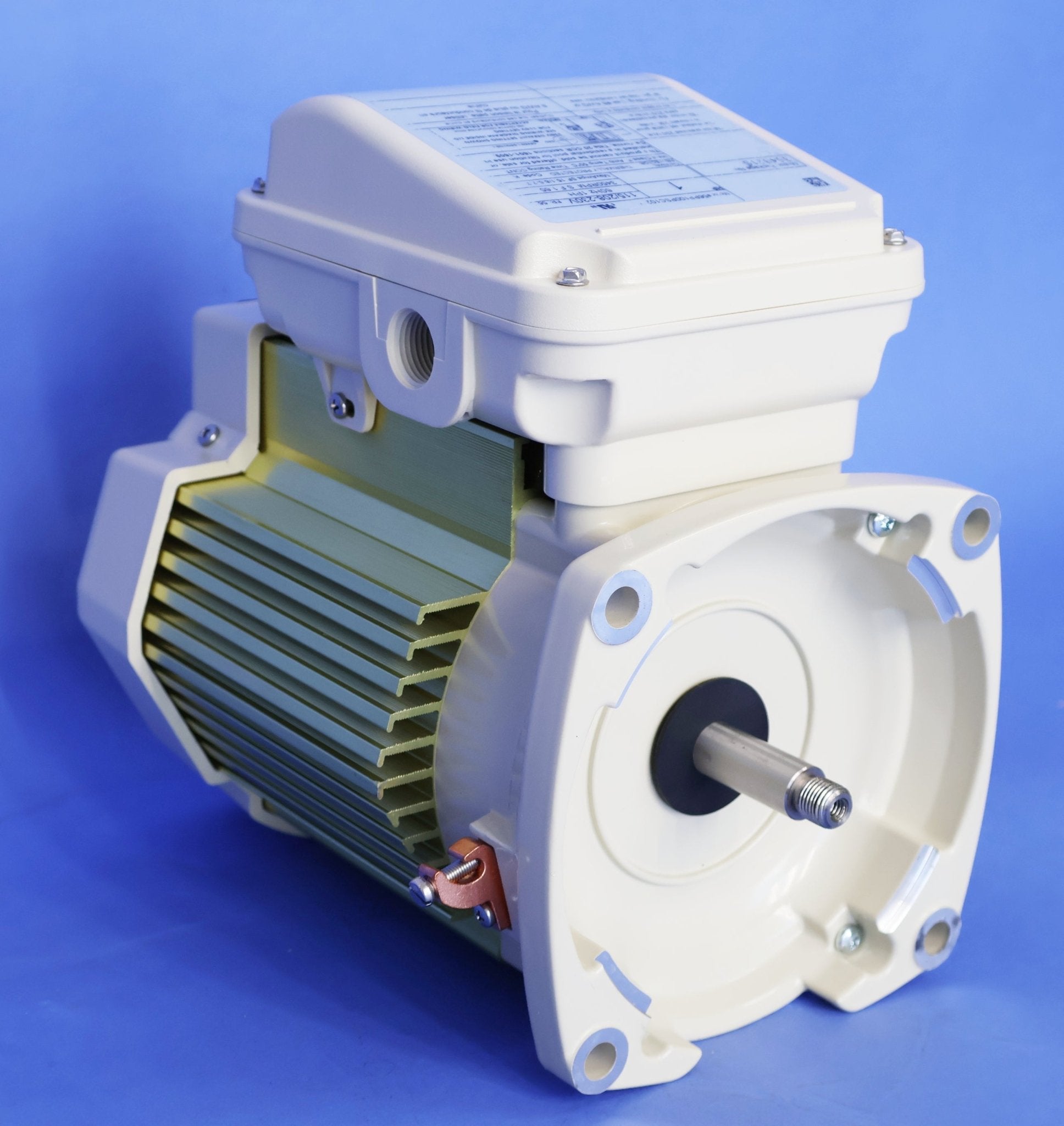
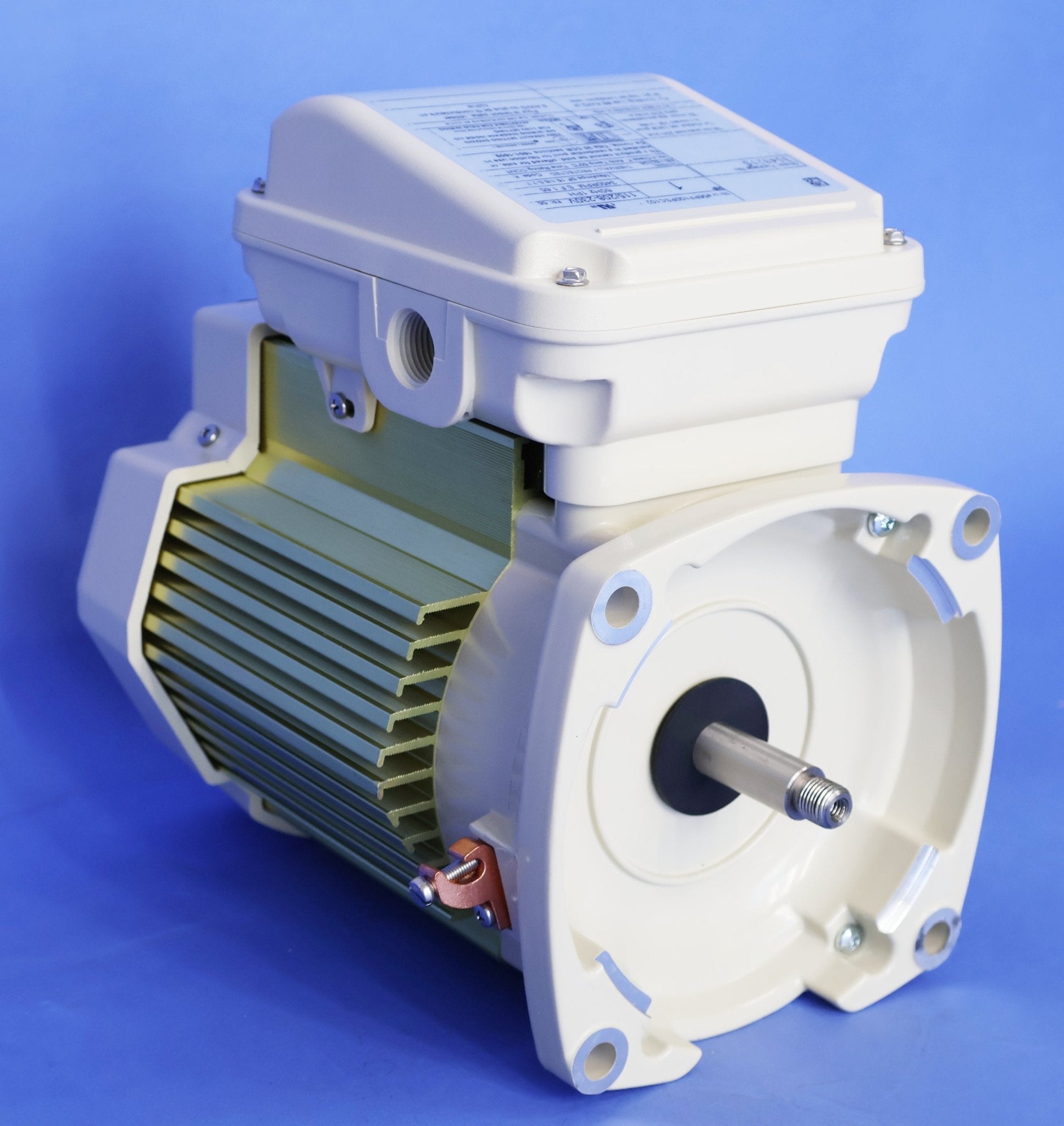
When the problem is the motor rather than the wet end, you'll want a replacement motor or motor part such as a capacitor or bearings. Because motors are a category of their own, we keep them in a separate pool pump motors collection. Motor and electrical work should be done with the power locked out, and if you're not comfortable with wiring, have a qualified professional handle it — capacitors can hold a charge even with the power off.
If your pump isn't behaving, these are the usual causes:
The first three are wet-end fixes you'll find here; the last two point to the motor.
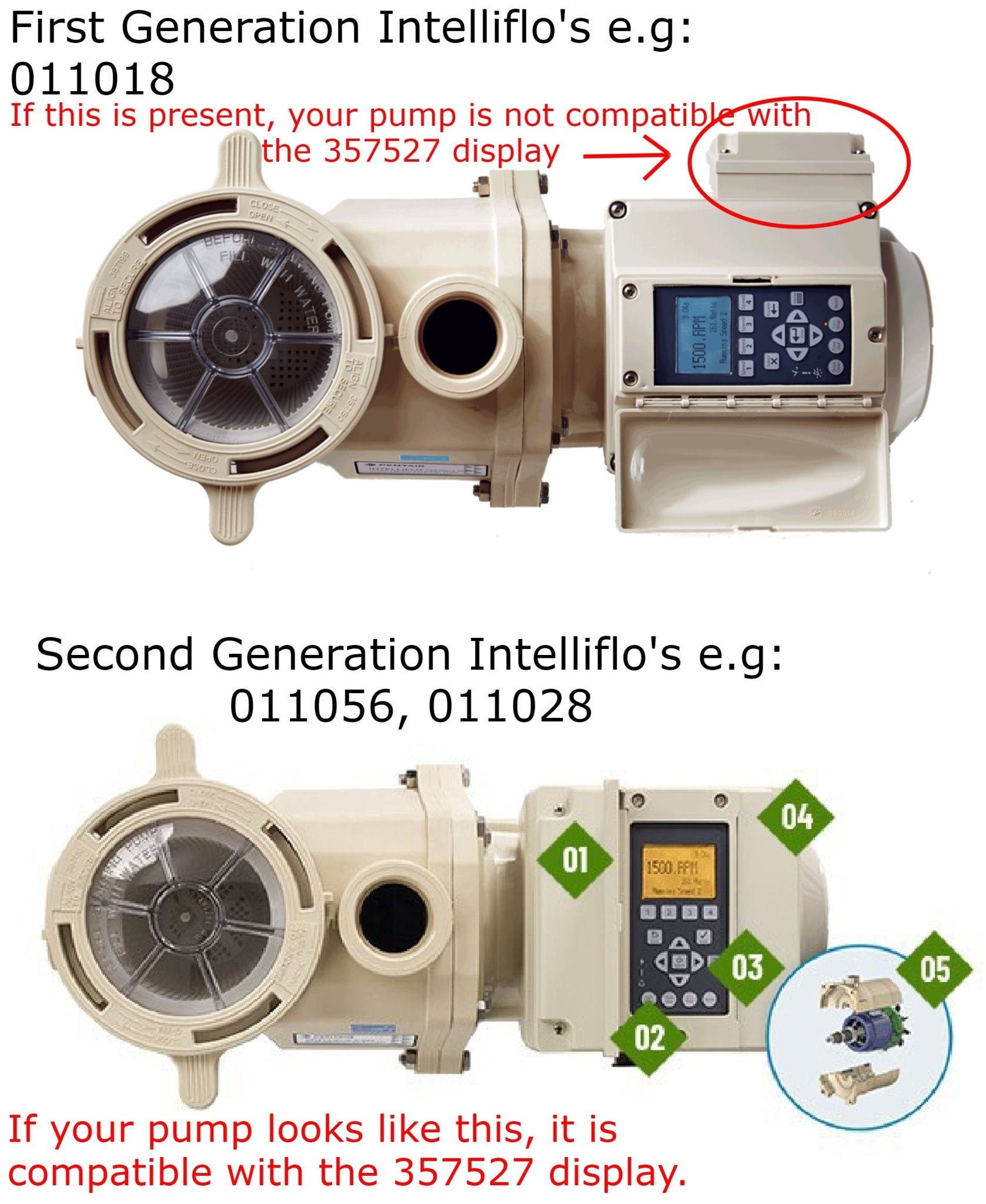
Pump parts are model-specific, so check the label on the motor or the pump housing for the brand and model before ordering. One detail trips people up: manufacturers periodically revise impellers, diffusers, and seals, so the same pump model can take a different part depending on when it was built. Matching the manufacturing date or the part number avoids a return. If you're not certain which version fits, send us your pump details and we'll confirm the right part.
If the wet end is fine but the motor has failed, browse our replacement motors. And if a repair no longer makes sense, you'll find full systems in our pool pumps collection. While you're maintaining the equipment pad, our pool filter parts keep the next stage of your system running too.
Need it fast? In-store pickup is available at our Phoenix, Scottsdale, and Las Vegas locations. Order online or stop in and we'll help you match the part to your pump.
A leak between the pump's wet end and the motor is almost always a failed shaft seal. These seals wear out over time and fail quickly if the pump runs dry. Replacing the shaft seal, along with the seal plate O-ring while you're in there, usually stops the leak.
Air in the basket means the pump is drawing air somewhere on the suction side. The most common culprits are a worn or unlubricated lid O-ring, a lid that isn't sealing tightly, or an air leak in the suction plumbing. Replacing the lid O-ring and confirming the lid seals cleanly resolves most cases.
Yes. Whenever the pump is apart for a motor swap, replacing the shaft seal is standard practice. The seal is inexpensive, it's already exposed during the job, and installing a new motor against an old seal often leads to a leak shortly after. Many owners refresh the O-rings and gaskets at the same time.
A humming motor that won't turn over usually points to a failed start capacitor. Because this is an electrical repair and capacitors can hold a charge even after the power is off, it's best handled with the power locked out and, if you're unsure, by a qualified professional. Replacement motors and motor parts are in our pool pump motors collection.
Check the brand and model on the motor label or pump housing, and note the part number or manufacturing date if you can. Impellers, diffusers, and seals are sometimes revised over a model's life, so the build date determines which version you need. If you're unsure, contact us with your pump details and we'll help you confirm the correct part.